The Disappearing Act: What Happened to TikTok's Schedule Post Feature
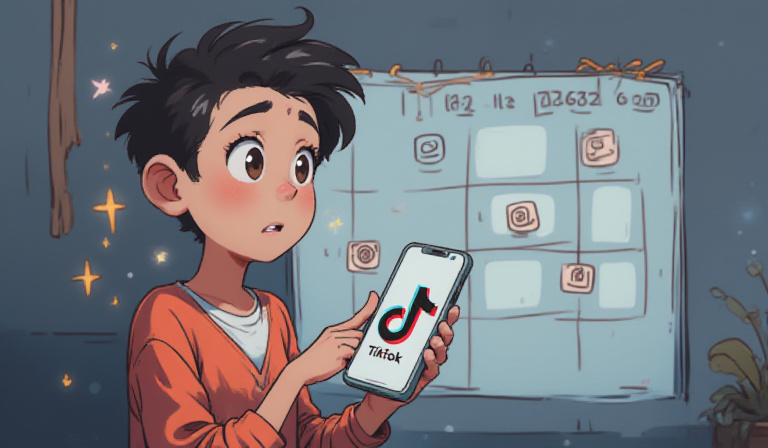
Did your TikTok "Schedule Post" button vanish into thin air? You're not imagining things. Over the past several months, a growing number of creators have logged into the app, ready to queue up their next viral video, only to find that the familiar scheduling option has simply disappeared. No warning, no explanation, no farewell message — just gone. I've heard from dozens of fellow creators who thought they were doing something wrong, refreshing the app, reinstalling it, even switching devices, only to confirm that yes, the feature many of us had come to rely on is no longer where it used to be.
This isn't a small inconvenience for casual scrollers. For serious content creators, small business owners, and social media managers who built entire workflows around TikTok's native scheduling capability, this disappearance has created a genuine headache. Scheduling isn't just a convenience feature — it's a strategic cornerstone of any consistent content operation. It determines when your content reaches your audience, how well it performs algorithmically, and how much mental bandwidth you have left over for actual creativity. Losing it without warning forces a rethink of processes that took months to build.
In this article, I want to walk you through everything we currently know about why this may have happened, why scheduling matters so deeply for creators at every level, and — most importantly — how you can adapt your strategy without missing a beat. Whether you're a solo creator managing a personal brand or a social media professional overseeing multiple accounts, there are real, workable solutions available to you right now.
The Disappearing Act: What We Know (And Don't Know)
The reports started surfacing in waves, with creators across different regions noticing the missing feature at different times, which itself tells us something important. This doesn't appear to be a single, sweeping global removal. Instead, it looks more like a phased change or an A/B testing scenario — the kind of quiet experiment TikTok runs regularly when it's evaluating how users respond to interface adjustments. Some accounts still have access to scheduling while others don't, and the pattern doesn't seem to follow a clear logic based on account size or location alone.
What makes this situation particularly frustrating is TikTok's near-total silence on the matter. There has been no official announcement confirming a permanent removal, no blog post explaining the rationale, and no timeline offered for when or whether the feature might return. This opacity is, unfortunately, consistent with how TikTok has historically handled feature changes — quietly and without much ceremony. Creators are left piecing together clues from community forums, Reddit threads, and social media posts from others experiencing the same issue.
As for the possible reasons behind this change, several theories make sense when you look at TikTok's broader platform strategy. The company may be testing a redesigned scheduling interface before rolling it out more broadly. It could be streamlining the content creation flow to feel more intuitive and less cluttered, particularly for newer users who may find scheduling menus intimidating. There's also a commercial angle worth considering: TikTok may be pushing creators toward its TikTok Creative Center and dedicated business tools, where scheduling and analytics features are bundled under a more professional, paid-tier framework. Finally, it's worth noting that TikTok has long positioned itself as a platform of real-time, spontaneous content — and a native scheduling feature arguably works against that brand identity.
The impact varies significantly depending on who you are. A casual user who posts once or twice a week for fun will barely notice the change. But for a content creator managing a brand account, running promotional campaigns, or posting across time zones to reach a global audience, this is a meaningful disruption that demands an immediate strategic response.
Why Scheduling Matters for Creators
Consistency is the single most important habit a TikTok creator can develop, and scheduling is the mechanism that makes consistency achievable over the long term. The TikTok algorithm rewards accounts that post regularly and predictably. When you schedule content in advance, you remove the daily decision-making pressure that often leads to missed posting days, erratic upload times, and the kind of inconsistency that causes follower counts to plateau. Your audience, too, begins to expect content from you at certain rhythms — and meeting that expectation builds loyalty in a way that sporadic posting simply cannot.
Beyond consistency, scheduling is fundamentally about time management. When I was posting daily without a scheduling system, I found myself scrambling to film, edit, and publish all in the same frantic window — usually late at night when my creativity was at its lowest. Scheduling allowed me to batch-create content during my most productive hours and then distribute it strategically throughout the week. That shift alone reclaimed hours of mental energy that I could redirect toward engagement, trend research, and actually improving the quality of my videos.
There's also a performance dimension to consider. Posting when your specific audience is most active can meaningfully increase your early engagement metrics, and early engagement is a key signal that TikTok uses to determine how widely to distribute a video. Without scheduling, hitting those optimal windows consistently requires either being awake at inconvenient hours or accepting that some of your best content will launch at suboptimal times. For creators targeting international audiences, this becomes even more complicated — and scheduling becomes even more essential.
Strategic content planning is another casualty of losing native scheduling. When you can map out a content calendar weeks in advance and schedule everything to go live at precisely the right moment, you can coordinate posts around product launches, trending sounds, seasonal events, and campaign timelines. Without that infrastructure, you're constantly reacting rather than planning, and reactive content strategy rarely produces consistent results.
Your New Strategy: Workarounds and Alternatives
The good news is that losing TikTok's native scheduling feature doesn't mean losing your ability to plan and schedule content — it just means changing where that scheduling happens. The most immediate and zero-cost solution is a disciplined manual posting system combined with TikTok's built-in drafts feature. Save your finished videos as drafts inside the app, organize them with a clear mental or written inventory, and set phone alarms or calendar reminders to prompt you to publish at your target times. It's old-school, yes, but it works — and it gives you complete, direct control over your content without depending on any third-party platform.
For creators who need something more robust, third-party scheduling tools are the most powerful alternative available right now. Platforms like Later, Hootsuite, Buffer, and Sprout Social all offer TikTok integration through TikTok's official API, which means they're authorized partners rather than workarounds that could put your account at risk. These tools go well beyond simple scheduling — they offer content calendars, audience analytics, best-time-to-post recommendations, and in many cases, team collaboration features that are genuinely superior to what TikTok's native scheduler ever provided. When choosing a tool, I'd recommend prioritizing ones that explicitly advertise their official TikTok partnership status, as this ensures your account remains compliant with TikTok's terms of service.
It's also worth exploring what TikTok itself offers through its Creative Center and business account tools. TikTok for Business provides a separate ecosystem of professional features that may include scheduling capabilities not available in the standard consumer app. If you haven't already, upgrading to or exploring a business or creator account could unlock access to tools that partially replace what you've lost. TikTok has a vested interest in keeping professional creators and advertisers happy, so the business-facing side of the platform tends to receive features and attention before the general consumer app does.
Pro Tips for Staying Consistent Without Native Scheduling
The most effective habit I've adopted since the scheduling change is batch content creation. Rather than filming one video per day, I dedicate two or three focused blocks per week to creating multiple videos in a single session. This approach is dramatically more efficient — you're already in creative mode, the lighting is set up, and your editing rhythm is warm. Producing four or five videos in one sitting and then spreading them across the week gives you the same publishing cadence as before, just with a different operational structure.
A proper content calendar is now non-negotiable. Whether you use a dedicated app like Notion or Trello, a simple Google Sheet, or even a paper planner, mapping out your themes, sounds, captions, and target posting times at least one week ahead gives you clarity and prevents the last-minute scrambles that kill consistency. Pair this calendar with phone reminders set for your ideal posting windows, and you've essentially replicated the core function of a scheduler through discipline and habit.
Stay informed about TikTok's official announcements, too. Follow TikTok's creator blog, join active creator communities on Reddit and Discord, and pay attention to announcements from the social media management tool providers — they often break TikTok feature news faster than TikTok itself does. If and when the scheduling feature returns, you'll want to know immediately so you can reintegrate it into your workflow without delay.
Navigating the Uncertainty Ahead
The disappearance of TikTok's native scheduling feature is genuinely inconvenient, but it is far from the creative catastrophe it might initially feel like. By combining TikTok's drafts feature with a reliable third-party scheduling tool, a solid content calendar, and a batch-creation mindset, you can maintain — and even improve — the consistency and strategic quality of your content output. The creators who adapt quickly and build platform-agnostic workflows are, ultimately, the ones who thrive regardless of what any single platform decides to change overnight.
Looking ahead, I fully expect TikTok to either restore native scheduling or introduce an upgraded version through its business tools as the platform continues maturing and competing for professional creator loyalty. TikTok needs serious creators as much as serious creators need TikTok, and features that support professional workflows are a key part of that relationship. Until then, the tools and strategies I've outlined here will keep your content strategy running smoothly. How have you adapted to the missing "Schedule Post" feature? Share your tips and experiences in the comments below — let's help each other navigate the ever-evolving world of TikTok creation.